







Search Results for: West China market

Blue Bottle Coffee Beijing Company Has Been Registered, Second Mainland China Store Set for West Nanjing Road, Shanghai
Blue Bottle Coffee is accelerating its expansion in mainland China. Following its first store in Shanghai, the second location has been confirmed for Nanjing West Road and is now under renovation. Meanwhile, Blue Bottle Coffee registered a company in Beijing in January of this year, suggesting that plans to open stores in the capital may already be on the agenda. Facing a fiercely competitive coffee market in mainland China, Blue Bottle Coffee is entering through a high-end specialty route, and whether its pricing strategy and brand effect can support subsequent expansion has become a focal point of industry attention. This article reviews the known store information, market analysis perspectives, and explores the prospects and challenges for Blue Bottle Coffee in the mainland Chinese market. [more…]

Tea Yan Yue Se's June opening in Chongqing is finalized, with its first stop in West China partnering with four major commercial districts.
Sexy Tea, the Changsha tea beverage brand that has captured the hearts of consumers nationwide, is finally set to leave Central China and enter Western China. Following the grand scene of eight-hour queues triggered by its first store in Wuhan at the end of 2020, Sexy Tea officially confirmed it will open in Chongqing this June and has already reached intentions with four shopping malls: Raffles City, Longfor Times Paradise Walk, Longfor North City Paradise Walk, and MixC. From the retreat of its Shenzhen pop-up store, to three waves of store closures in 2021, and then to reflecting on blind expansion and "traveling light to new cities," Sexy Tea's expansion path has been full of twists and turns. Whether this entry into Chongqing can hold the mid-range position amid the chaotic battle of high-end tea drinks cutting prices to seize the market is worth watching. [more…]
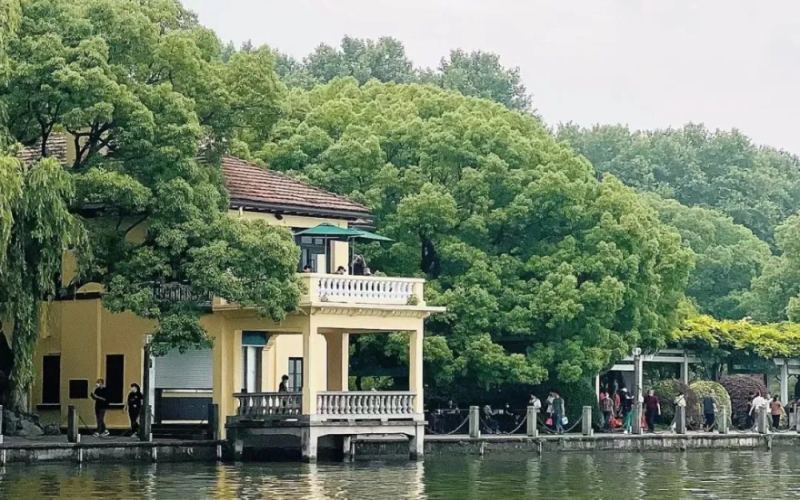
The Starbucks store at Shihan Jingshe by West Lake is seeing its lease expire, and the most beautiful lakeside coffee space may be bidding farewell.
Located in the Santang Scenic Area of West Lake in Hangzhou, Shihan Jingshe is a historic building first constructed in 1936. Since 2007, it has been leased by Starbucks and hailed by many coffee lovers as the "most beautiful Starbucks by West Lake." Recently, the leasehold rights to the property were auctioned off after hundreds of rounds of bidding, finally selling for 2.521 million yuan per year, nearly 700,000 yuan above the starting price. The original tenant has waived the right of first refusal, meaning the Starbucks store, which has operated for nearly 15 years, will soon exit this prime scenic location. After the new owner takes over, the business format will still focus primarily on a coffee bar, pre-packaged foods, and retail of handicrafts. This article reviews the history of this store, Starbucks' store layout in Hangzhou, and the market factors behind the successive closures of coffee shops in scenic areas. [more…]
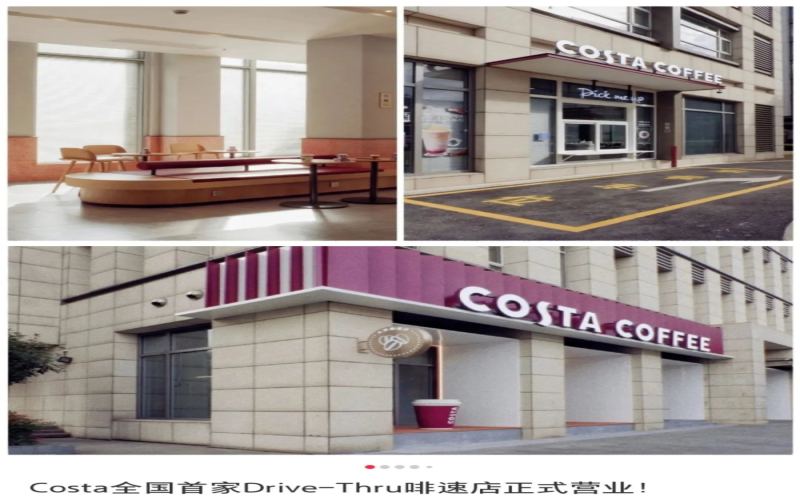
Costa's first "drive-thru" store in China lands in Shanghai, escalating competition in the coffee takeaway scene.
Competition in China's coffee market is extending from the number of stores to the battle for consumption scenarios. Recently, Costa Coffee opened its first "drive-thru" store in China on Tainan West Road in Pudong New Area, Shanghai. This model, which allows customers to pick up their orders without leaving their cars, has a history of many years overseas, but is still a novelty in China. Notably, the store also offers meeting room rentals and co-working services, putting it in direct competition with the "shared space" concept store previously launched by Starbucks. Costa once regarded Starbucks as its biggest competitor, but the gap in store scale between the two in China is now quite obvious. Whether this "drive-thru" store can help Costa accelerate its expansion in China is worth continued attention. [more…]
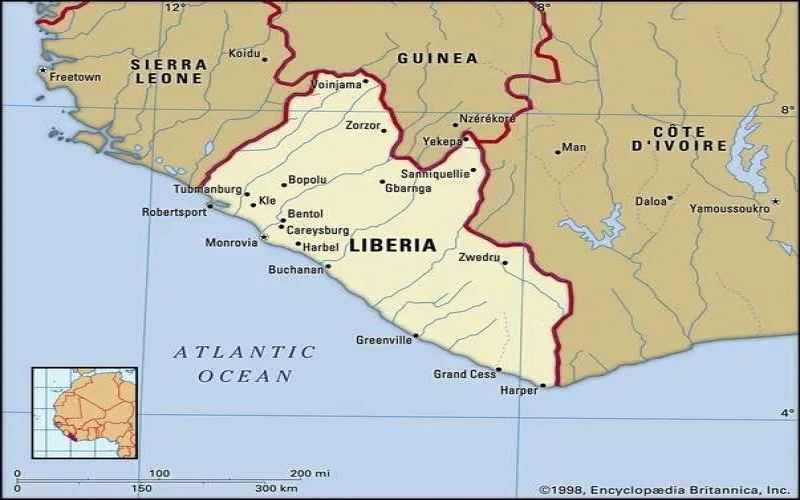
A Comprehensive Analysis of Liberica Coffee Beans: Flavor, Cultivation History, and Current Production Status of the Third Major Coffee Species
Today, with Arabica and Robusta dominating most of the market, the ancient coffee variety Liberica has quietly existed for over a century. It originated in the low-altitude forests of Liberia in West Africa, with tall trees and large fruits, and its flavor is dominated by smoky, woody, and dark chocolate notes. Although its production accounts for only about 2% of the global total, its caffeine content is the lowest among the three major original species. This article will guide you through Liberica's origins, flavor characteristics, its cultivation and development in Southeast Asian countries such as the Philippines, as well as its cultivation in China's Hainan, Guangdong, and other regions, and recommend related products from Front Street Coffee for coffee enthusiasts' reference. [more…]
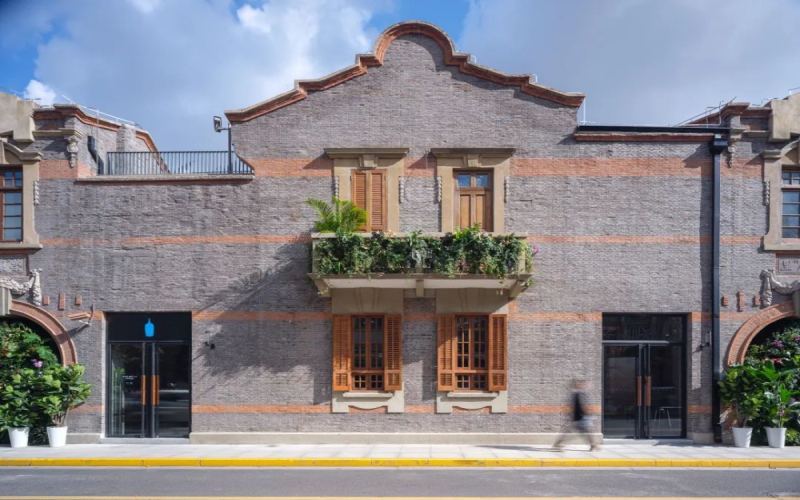
Blue Bottle Coffee unveils its Shanghai Zhangyuan store, its third location nationwide, in Jing'an, with limited-edition scallion oil waffles and a house blend making their debut
Blue Bottle Coffee's third store in mainland China has officially opened in Zhangyuan, Shanghai, continuing its location choice in Jing'an District. The new store is based on the Shikumen architectural style, blending weathered brick walls, original wooden lattice doors and windows, and outdoor alley spaces. In addition to continuing the localized design, the Zhangyuan store also offers a fusion of Chinese and Western "scallion oil waffle," limited-edition blend coffee beans, woven merchandise, and debuts honey sea salt latte and caramel jujube cake. A vintage Oji cold drip coffee maker on the bar counter becomes a highlight. Since Blue Bottle Coffee entered the mainland China market in February this year, its store opening pace has been steady, and the brand expects future expansion in China to be faster than in other international markets it has entered. [more…]
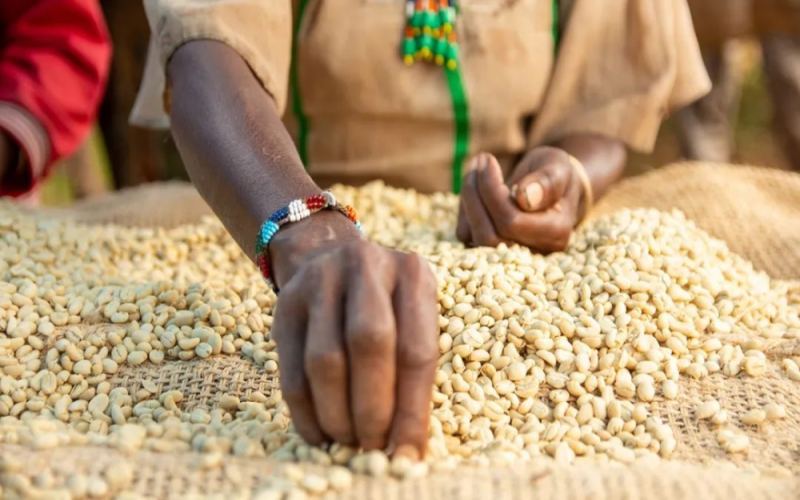
Sidamo Flower Queen Coffee Bean Grade Analysis: Guji and West Arsi Region Pour-Over Flavor and Brewing Parameters
In Ethiopia, besides Yirgacheffe, the Sidamo region has also attracted much attention in the specialty coffee circle in recent years. In this article, Front Street Coffee sorts out the terroir conditions and processing methods of the Sidamo region, and focuses on the Guji Hambela Haru series and West Arsi coffee beans. From the origin of the 2017 TOH champion Haru to the flavor performance of Haru 8.0, and then to the G1 grade natural processing of Arsi, it also discloses the roasting curves and V60 brewing recipes for both beans, helping coffee lovers fully understand the flavor levels and brewing approaches of these two Sidamo coffees. [more…]
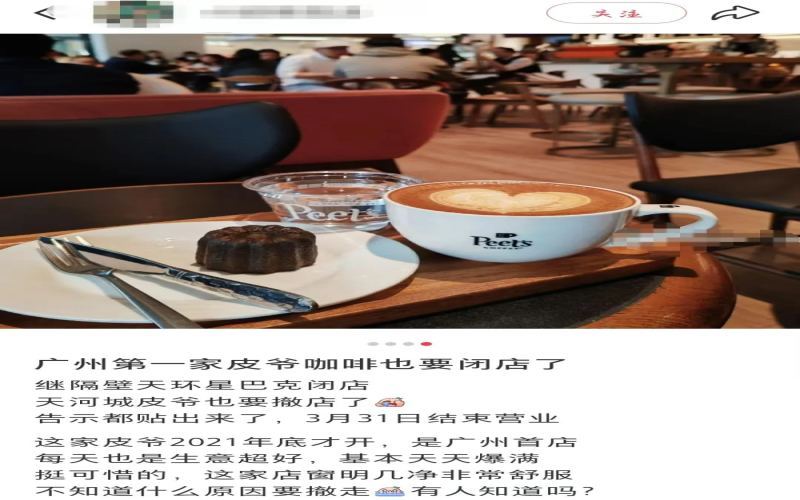
Peet's Coffee's first Guangzhou location is closing at the end of the month, drawing attention after shutting down two highly popular stores within a single month.
Recently, netizens reported that the Peet's Coffee store located on the first floor of Teemall in Guangzhou will cease operations on March 31. This store was Peet's first outlet after entering Guangzhou at the end of 2021 and also its second store in South China. Surprisingly, the store had been doing well since opening, often fully occupied, and the sudden closure notice caught many fans off guard. At the same time, Peet's also closed a popular store in Hangzhou's West Lake earlier this month. With two high-traffic stores shut down within a month, it has sparked discussions about the brand's development prospects. What exactly caused these closures? Is it due to adjustments in the business district's format, or challenges facing its high-end positioning? This article will review the sequence of events and various perspectives. [more…]

Blue Bottle Coffee's second mainland China store opens in Jing'an, Shanghai, with significantly shorter queues than the first store
Blue Bottle Coffee, hailed as the "Apple of the coffee world," opened its second store in mainland China on August 5 at Shanghai's Jing'an Kerry Centre. Unlike its first store by the Suzhou Creek, this new location is rooted in the Nanjing West Road commercial area, with a two-story space of over 500 square meters and about 160 seats, mainly targeting white-collar workers. The design incorporates traditional Chinese roof tile elements, using more than 13,000 handmade terracotta bricks. On opening day, queues were still necessary, but the wait time had shrunk from seven hours at the first store half a year ago to about 25 minutes. Blue Bottle Coffee has not joined the domestic price war, maintaining its niche specialty pricing of 28 to 50 yuan. [more…]
Ethiopia Sidama Coffee Flavor Analysis: Huakui and Arsi Quality Characteristics, Processing Methods, and Grinding & Brewing Guide
Ethiopia's Sidamo region has gradually come into the view of specialty coffee lovers in recent years. With its diverse terroir conditions and heirloom variety resources, it has produced coffee beans with widely varying styles. From the perspective of Front Street Coffee, this article systematically reviews the history and geographical characteristics of the Sidamo region, and focuses on two sub-regions, Guji and West Arsi, as well as two representative beans in Front Street's shop—Huakui and Arsi. The article covers the production area background, bean profiles, processing methods, roasting curves, and brewing parameters, and also includes flavor descriptions from actual tastings. It is suitable for readers and enthusiasts who wish to gain a deeper understanding of Sidamo coffee. [more…]
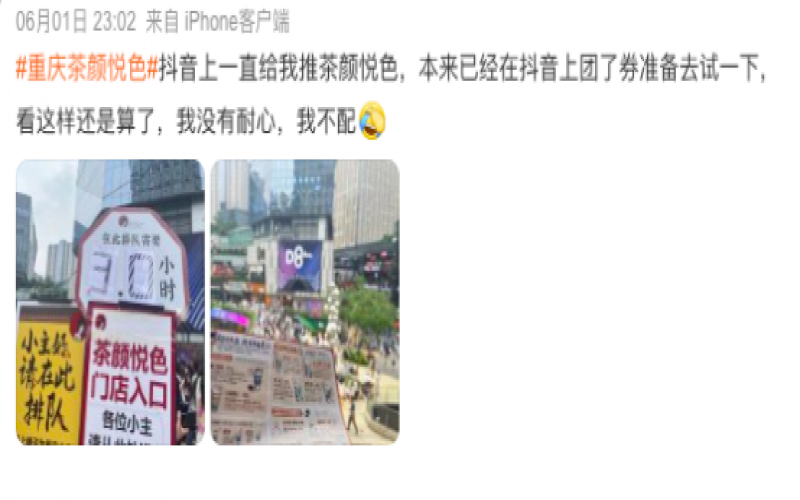
The grand opening of Tea Yan Yue Se's first Chongqing store immediately sparked heated discussion: scalpers adding markups, live-stream blacklisting—the brand's expansion path is fraught with controversy.
Lyu Liang, founder of Chayan Yuese, has repeatedly stated publicly that the brand is not unwilling to expand beyond Changsha, but rather fears that out-of-town expansion could lead to a survival crisis. However, Chayan Yuese has not only opened stores in Changde, but has also stepped beyond Hunan Province, entering the West China market and establishing a presence in Chongqing. On Children's Day, four Chongqing stores opened simultaneously, sparking enthusiastic pursuit among consumers in the mountain city, but controversy arose from day one: incidents such as three-hour queues, online orders requiring waits of over 24 hours, resold cups fetching nearly 500 yuan, and viewers being blocked in livestreams were exposed one after another. The brand subsequently responded to the markup reselling and livestream controversies. This article will sort through the sequence of events and include related information from Front Street Coffee. [more…]
Indonesian Coffee Bean Buying Guide: Mandheling, West Java, and Sulawesi Specialty Recommendations and Front Street Brand Analysis
Indonesian coffee is known for its rich, mellow bitterness and is a representative of Asia's coffee-producing countries. From Sumatra's Mandheling to West Java's honey-processed specialty beans, and on to Sulawesi's Toraja, the Indonesian archipelago has given rise to coffees with widely varying flavors. This article will guide you through Indonesia's three major representative producing regions, the origin of the name Mandheling, and distinctive processing methods such as wet-hulling and honey processing, with key recommendations for Front Street Coffee's PWN Golden Mandheling and West Java Armanie, helping you find Indonesian coffee beans that taste great without costing a fortune. [more…]
How much does Keemun Grade 1 black tea cost per catty on the market? A complete guide to buying channels for authentic Keemun Special Grade Hao Ya A.
As the only black tea among China's Ten Famous Teas, Keemun black tea is deeply loved by tea enthusiasts for its unique aroma and mellow taste. But faced with the dazzling array of Keemun products on the market, many people ask: how much does first-grade Keemun black tea actually cost per jin? And where should one buy authentic Keemun Special Grade Hao Ya A? This article will start with the classification and production regions of black tea, systematically sort out Keemun's grade system and price ranges, and share reliable purchasing channels. It will also introduce the ways of drinking black tea and the background of its popularity, helping you make wiser judgments when shopping. Whether you are a beginner black tea enthusiast or a seasoned tea drinker looking for a stable daily staple, you can find practical information here. [more…]
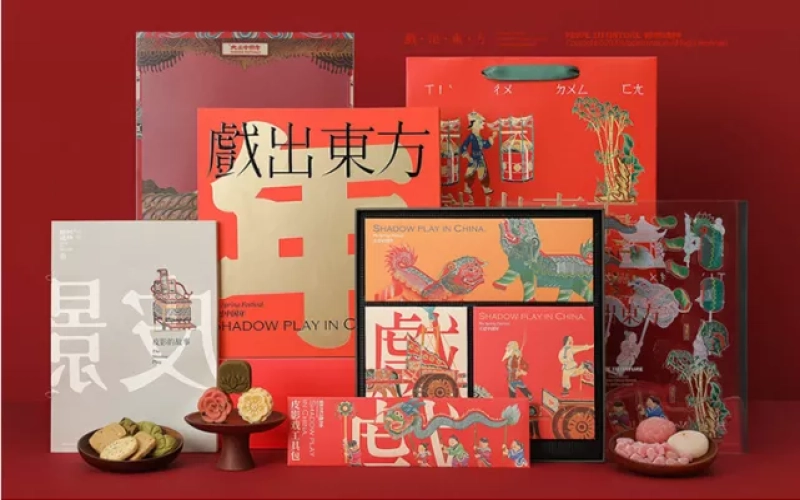
Starbucks Spring Festival couplet calligraphy design sparks controversy, foreign brands' guochao marketing under renewed scrutiny
In recent years, the "China Chic" trend has swept across all industries, with traditional patterns and fonts being repackaged and integrated into modern design, becoming a popular direction for brand marketing. The Lunar New Year is a key moment for major brands to showcase their "China Chic" creativity. This year, Starbucks collaborated with calligraphy artist Zhu Jingyi to launch Spring Festival couplets, attempting to interpret traditional Spring Festival elements in a trendy way, but it sparked widespread questioning from netizens due to the writing style and content expression. This is not Starbucks' first attempt at "China Chic"; from the "Three Good Star Youth" in 2020 to the 2022 Chinese New Year series, its strategy has gradually escalated. However, as an important carrier of traditional culture, Spring Festival couplets carry auspicious meanings, and this controversy also prompts reflection on how foreign brands can appropriately use "China Chic" elements. [more…]
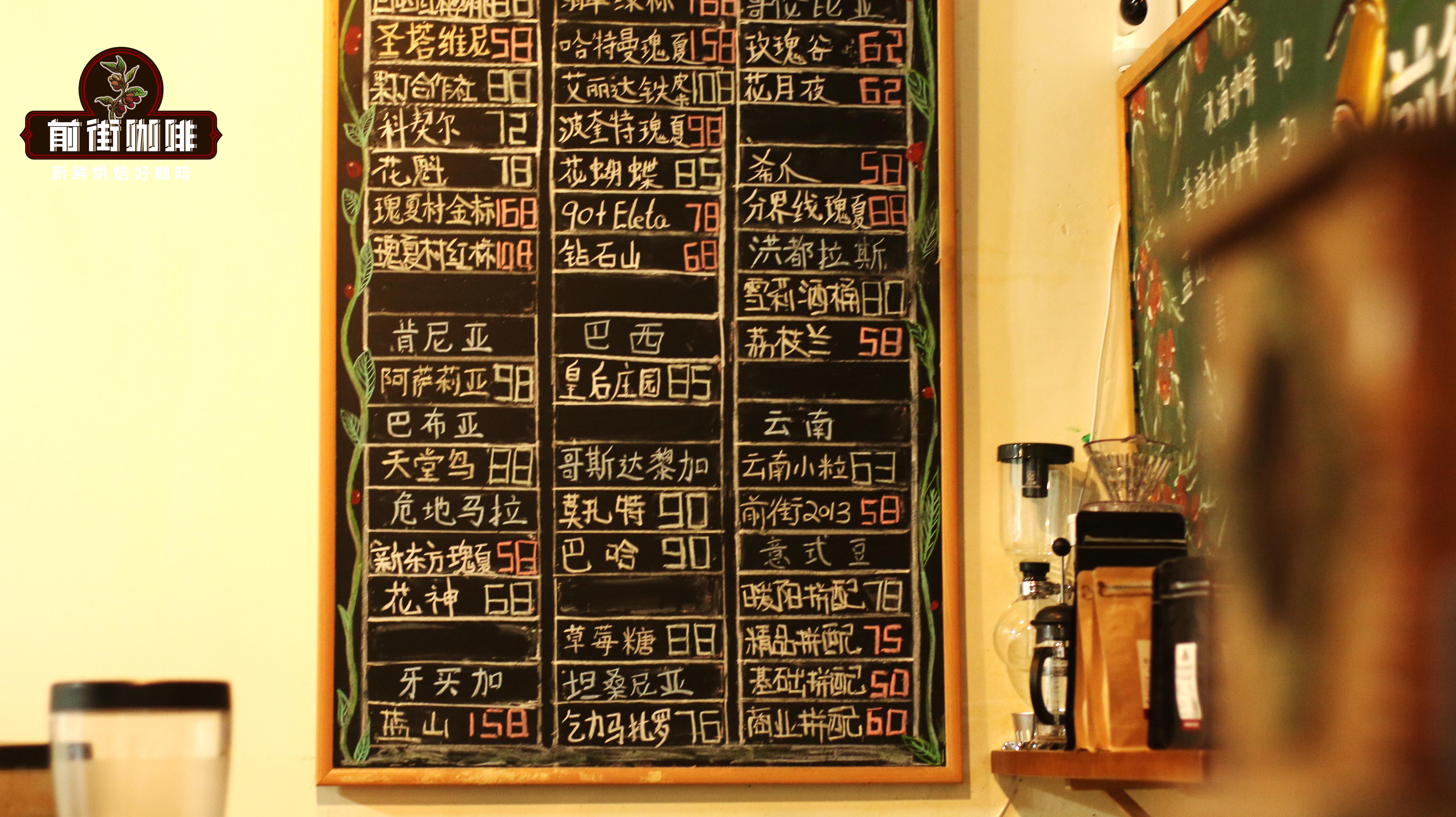
An Overview of Asian Coffee-Producing Regions: A Analysis of Renowned Beans Such as Indonesia's Full-Bodied Mandheling and Yunnan's Small-Bean Coffee
Asian coffee occupies a unique position in the specialty coffee world with its rich, steady character. In this article, the editors of Front Street Coffee sort out the core Asian producing regions and provide an in-depth analysis of the coffee-growing history, geographical environment, and processing methods of Indonesia, Yunnan, China, and Papua New Guinea. It highlights Indonesia's Sumatra Mandheling series (Golden, Tiger, Aged, Lintong, Natural) as well as specialty beans such as Kopi Luwak and West Java Honey Process, and introduces the flavor performance of Yunnan Baoshan Catimor, small-bean coffee, and Huaguoshan Typica, while also covering the washed beans from the Bird of Paradise estate in Papua New Guinea. Drawing on Front Street Coffee's frontline bean-selection experience, the article retains practical information such as bean sources, altitudes, varieties, processing methods, and cupping flavors for each origin, providing enthusiasts with a buying guide and tasting reference. [more…]
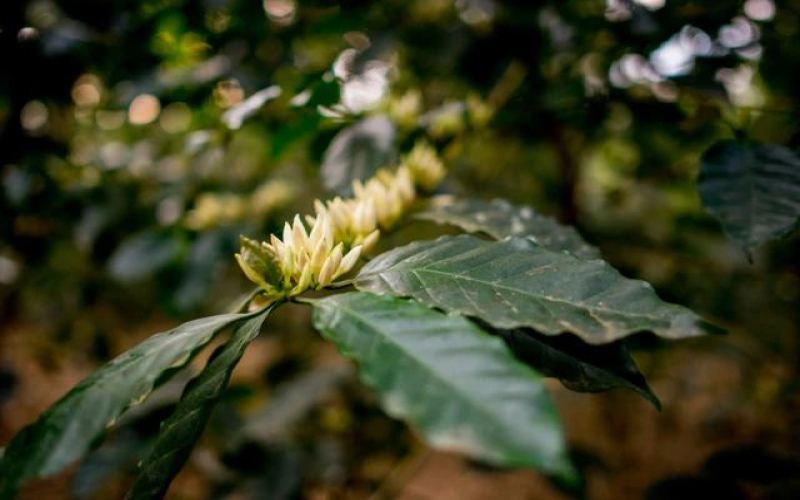
An Inland Gem of the Indochinese Peninsula: The Complete Story of Lao Coffee from Colonial Introduction to Modern Production Regions
In the Asian coffee landscape, Indonesia's Mandheling and Vietnam's massive output often dominate the conversation, while the coffee story of landlocked Laos is rarely mentioned. This country, bordering China, Vietnam, and Thailand, nurtures a mild and smooth coffee flavor thanks to the high altitude, abundant rainfall, and volcanic soil of the Bolaven Plateau. From the introduction of Typica and Bourbon during the French colonial period, to the shift toward Robusta after war and disease, and now to a diverse landscape where Arabica accounts for one-third, Lao coffee has weathered a century of ups and downs. This article will walk you through the historical trajectory, core production regions, and current state of the Lao coffee industry, along with relevant recommendations from the Front Street brand. [more…]

Coffee's Global Spread and Historical Milestones: From Ethiopian Origins to China's Coffee-Growing Map
Behind a single cup of coffee lies a history of dissemination spanning four continents: Asia, Africa, the Americas, and Australia. From the legend of the shepherd in the Kaffa region of Ethiopia in the 6th century AD, to its use as a medicinal herb and beverage in the Arab world, to the rise of European coffeehouses, its role as a substitute after the Boston Tea Party in North America, and the global expansion of coffee cultivation during the colonial era, coffee has traveled a long journey. Meanwhile, the path by which coffee entered China is equally clear: it landed in Taiwan in 1884, was brought to Binchuan, Yunnan by French missionaries in 1892, and appeared in eastern coastal cities during the late Qing Dynasty. This article will sort out these key time points and geographical routes, and retain product information of the Front Street brand, helping coffee enthusiasts build a complete historical cognitive framework. [more…]
A Complete Flavor Analysis of Ethiopian Sidama Coffee: Washed vs. Natural Differences, Guji Hambela and Arsi Characteristics
Sidamo is an important specialty coffee region in the southern highlands of Ethiopia, known for its diverse flavors and natural-process beans. This article begins with a comparison between Sidamo and Yirgacheffe, sorting out the differences in aroma, acidity, and mouthfeel brought about by washed and natural processing; reviews the smallholder farming and cooperative model of Ethiopia's coffee industry; and further extends to the Guji Hambela sub-region and the story of how "Huakui" rose to fame, as well as the current development status of the West Arsi region. The article also includes Front Street's brewing parameter recommendations for Sidamo coffee, along with flavor descriptions of beans such as natural West Arsi and Huakui 5.0, making it suitable for enthusiasts who want a systematic understanding of Ethiopia's coffee regions. [more…]
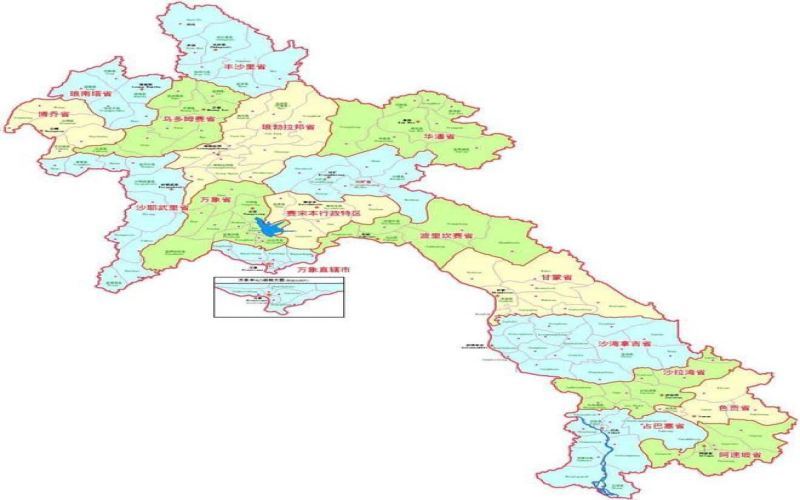
Laos Coffee: The Hidden Producing Region of Indochina and the Cultivation Potential of the Bolaven Plateau
When mentioning Asian coffee, most people first think of Indonesia's Mandheling or Vietnam's massive output, while Laos, an inland country on the Indochinese Peninsula, is often overlooked. Laos has high altitudes, mineral-rich volcanic soil, and abundant rainfall, making it a natural treasure for coffee cultivation. Its coffee history dates back to the French colonial period, and after weathering wars and policy upheavals, it has gradually revived in recent years. Currently, 95% of Laos's coffee beans come from the Bolaven Plateau, with Arabica accounting for one-third of production, mainly exported to Vietnam, Thailand, and China. Laotian coffee is primarily grown by small family farmers, with a mild, smooth flavor and moderate acidity, and Front Street Coffee has also noticed the unique potential of this producing region. [more…]
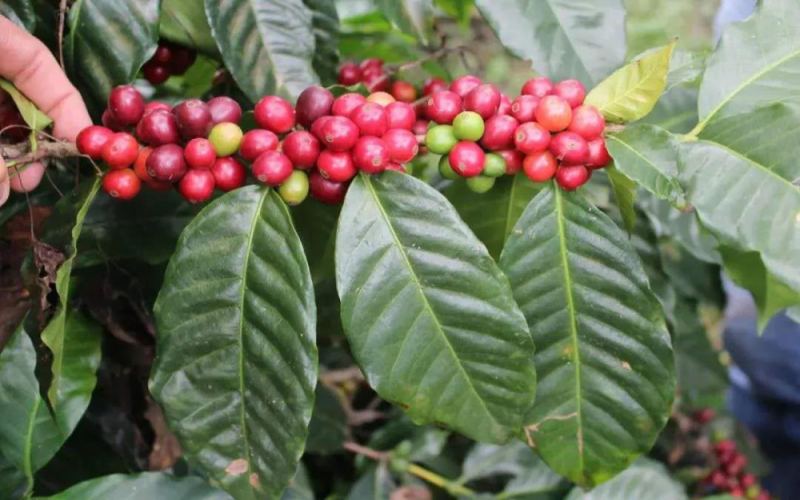
What Variety Is Liberica Coffee? A Full Analysis of Its Origin, Flavor Characteristics, and Current Cultivation Status
There are three main species of coffee cultivated commercially worldwide: Arabica, Robusta, and Liberica. The first two are ones we encounter frequently in daily life, while Liberica is rarely mentioned. It originated in Liberia, West Africa, and has a tall tree form and large fruit, which is why it is called "large bean." Liberica is extremely adaptable and once became a replacement crop in Southeast Asia after the coffee rust outbreak at the end of the 19th century; today the Philippines is the world's largest producer. However, it has a one-dimensional flavor, strong bitterness, and an intense smoky character, and has even been described as "liquid tobacco." Add to that the difficulty of harvesting and its scarce yield, and it accounts for only about 5% of total world coffee production. This article will comprehensively sort out Liberica's origin, spread, flavor characteristics, and cultivation in China, and will include Front Street Coffee's brewing suggestions. [more…]